A road trip looks different when you leave from High Point than it does on a postcard. We have hot summers that bring sudden thunderstorms, cold snaps that test seals, and construction zones that sandblast windshields along I‑74 and Business 85. If your glass is already compromised, long highway miles can turn a small chip into a jagged crack, or a sloppy sensor alignment into a dash full of warnings just when you need your driver assistance systems. Road trip readiness starts with clear, structurally sound glass and verified calibrations, not just a fresh oil change.
I have seen families delay addressing a dime‑size chip before a coast run, only to call from a gas station in Statesville after it spidered across the field of view. I have also seen expensive camera systems behave perfectly after a windshield replacement, then drift out of spec after the car spent a day parked in direct sun on asphalt. The details matter. Here is how I approach High Point auto glass repair when the goal is safe, stress‑free miles on the open road.
What a windshield really does once you leave town
Most drivers think of the windshield as a barrier against wind and rain. On modern vehicles it is also a structural member and a sensor mount. In a frontal collision, a bonded windshield helps the roof resist collapse. In a rollover event, that bond helps keep the cabin intact. The windshield also supports passenger‑side airbag timing and direction, with the glass acting as the backboard that guides the inflated bag toward the occupant. A poor bond or flawed glass can change how the airbag deploys.
Then there is the technology layer. Vehicles with cameras behind the windshield rely on consistent optical properties and correct glass curvature. A small distortion in the glass can misplace a lane line by a few pixels, which is enough to confuse lane keeping. Rain sensors need the correct gel pad and pressure to read water accurately. High beams, auto braking, sign recognition, adaptive cruise control - these features live in the thin space between a camera module and a properly mounted windshield. That is why a windshield replacement in High Point now often involves ADAS calibration as part of the same appointment.
Chips, cracks, and the risk calculus at highway speed
I categorize windshield damage by location, size, and stress. A round chip the size of a pea, far from the driver’s primary view and away from the edges, is usually a candidate for resin repair. The resin wicks in, fills microfractures, and restores stiffness. A crack longer than three inches, any crack that reaches the outer edge, or a star break with legs heading toward the perimeter are poor candidates for repair. The edge of the glass is a stress concentrator; highway vibration and temperature cycles will keep working that flaw until it spreads.
On the road, the same chip that held steady around town can metastasize once you stack three common triggers: heat, pressure change, and vibration. Drive west toward the mountains on a July High Point auto glass repair afternoon and you will watch outside temps swing 20 degrees between a thunderstorm and the sun reemerging. Run over a bridge joint at 70 mph with a hot defroster blowing and the lower edge of the windshield sees a quick temperature gradient. If a crack begins at the bottom, a sharp bump can extend it. I have measured crack growth rates of an inch or more in a single hour under those conditions.
With road trips, the right move is conservative: repair early if the damage is small and well placed, replace the windshield if there is any doubt about structural integrity or if the damage sits in the driver’s sweep of vision. The price difference looks smaller when you factor the cost and hassle of an unplanned stop halfway to your destination.
How to choose the right glass service in High Point
We have a healthy mix of independent shops and mobile units in the Triad. Not all of them are set up for ADAS, and some still treat a windshield as a simple piece of laminated glass. For road trip readiness, look for a provider with four specific strengths: correct glass sourcing, clean removal practices, approved adhesives with proper cure times, and access to static and dynamic ADAS calibration.
I ask shops where they source their glass. OEM glass gives you the exact curvature, frit pattern, and mounting points the camera expects, though some high‑quality aftermarket glass also meets those tolerances. On sensor‑heavy vehicles, OEM or OEM‑equivalent is worth the premium. For most late‑model cars, the difference might be $100 to $400. If the vehicle carries a forward‑facing camera, that spread can pay for itself in calibration speed and reduced comebacks.
Removal tells you how the shop thinks about the car as a system. A rushed cutout can nick the paint and open the way for rust. On a twelve‑year‑old sedan that may show up months later as a leak. On a newer crossover you will hear wind noise you cannot diagnose. Good teams protect dash and pillars, remove cowl panels without breaking clips, and chase old urethane cleanly back to an even bed without gouging the pinchweld.
Adhesive selection and cure time matter more than most people realize. Fast‑cure urethanes can hit safe drive‑away in 30 minutes under ideal temperature and humidity. But the shelf life, bead thickness, and ambient conditions all change that number. If you are headed out within two hours of installation, the technician should do two things: confirm the safe drive‑away time for that specific urethane, and adjust for the day’s temperature and humidity. When it is 45 degrees and damp, I plan for longer cure, not shorter.
Finally, ADAS calibration in High Point remains uneven. Some shops can only do dynamic calibrations, which rely on driving the vehicle at specified speeds on clearly marked roads. That works well for many Hondas and Mazdas on our local divided highways. Others require a static calibration with targets and a level floor. If a shop offers mobile auto glass in High Point but cannot guarantee calibration for your make in the same visit, you could end up with two appointments or a disabled feature. Ask before you schedule.
Mobile auto glass in High Point: convenience with caveats
Mobile service can be a road trip saver. If you discover a crack the week before you leave, a technician can meet you at your driveway or office and handle the repair without disrupting your schedule. For many vehicles, that is everything you need. For others, you will run into two limitations: weather and calibration.
Adhesives and primers do not love wind, dust, or rain. A gust can carry grit onto a bond line and create a leak path you will only hear at 60 mph. A drizzle can contaminate a fresh bead. Mobile techs manage this with pop‑up canopies and careful prep, but there are days when a controlled bay is simply better. Winds above 15 miles per hour, temps below the adhesive’s minimum, or a strong chance of rain will push me to recommend an in‑shop install.
Calibration is the second variable. Dynamic calibration needs clean lane markings and a specific drive cycle. That can be done on the loop around Wendover and I‑74 if the traffic allows, but late afternoon congestion or patchy line paint can slow or spoil the process. Static calibration requires a level floor, target boards, and often overhead lighting that prevents reflections. A properly equipped mobile unit can do some static procedures, but not all. Mention your year, make, model, trim, and features when you call. If you hear hesitation about ADAS calibration High Point options for your car, schedule at the shop instead.
The stakes for ADAS calibration before long miles
It is easy to treat ADAS as optional. We grew up driving without automatic braking and lane centering. The issue is not whether you rely on those features, but what happens when they try to intervene with wrong assumptions. A camera that thinks your lane line is three inches left will nudge the wheel at the wrong time. A forward radar misaligned after a bumper or bracket repair can cut your cruise speed unexpectedly when you pass a semi. On a four‑hour highway leg, fatigue and distraction make those small corrections matter.
I have seen two recurring patterns after windshield work: lane keep assist that hunts on crowned rural roads, and false forward collision warnings in bright low‑angle sunlight. Both were corrected by recalibration. The lane keep issue traced back to a camera that sat half a degree off due to a bracket tolerance issue on an aftermarket windshield. The false alerts followed a dynamic calibration done on a stretch of road with uneven markings, which baked in the wrong offsets. A proper static calibration in a controlled bay solved both.
Manufacturers specify calibration after any event that changes camera position or optical path: windshield replacement, camera removal, front suspension changes, even a significant tire size change. Some vehicles will set a code and disable features until calibration clears. Others will function without complaint while tolerances drift. Before a trip, especially one that includes mountain driving or long night segments, verify that your system shows no warnings and that a shop has documented the calibration. If the shop in High Point provides a printout or on‑screen capture of the “complete” status, keep it with your paperwork.
Side windows, rear glass, and why they matter for travel
Side glass seems simple until it is not. Laminated front door glass is more common now and offers better sound control and theft resistance. Tempered glass, which still appears on many rear doors and backlights, shatters into beads under stress. A small chip on laminated side glass might be repairable if caught early, though clarity matters more for line of sight. On a road trip, a failed regulator or a sudden crack creates noise, water intrusion, and security headaches. Side window replacement High Point specialists can usually source and fit a new door glass in a few hours, but if you are leaving the next morning, that window bag and tape improvisation becomes a long, loud ride.
Rear glass failures happen less often, but defroster grids, antenna elements, and spoilers complicate the work. A leak at the backlight will soak the trunk or cargo area first. On SUVs, the rear glass often ties into the hatch alignment. If you plan to carry a roof box or bikes, verify that the rear wiper clears and that the defroster works, because fogged rear glass in a rainstorm will slow you down more than you expect.
For road trips, I run a quick window audit two weeks ahead: confirm auto up/down function, check seals for wind hiss at 45 mph, and make sure child locks and window locks behave. If anything feels gritty or slow, a technician can service tracks and regulators while you are still in town.
Small prep steps that pay off on the highway
A shop visit handles the big things. There are also small, practical steps you can do at home that keep your glass happy over long miles.
- Clean the inside of the windshield with a dedicated glass cleaner and a clean microfiber, using circular motions followed by vertical strokes. Interior film from plastics off‑gassing smears in sun and headlights, which magnifies glare in the foothills. Apply a ceramic or fluoropolymer rain repellent to the exterior, but stop it short of the area where a beam‑style wiper rests. Super slick coatings under a sensor‑linked wiper can cause chattering. If you use a coating, replace wiper blades before a trip, not after.
That short list looks simple, but I have watched drivers in heavy rain who could not maintain a clear patch of glass because the inside haze caught every light reflection, then the outside water beaded in a way the old wipers could not clear. Ten minutes in the driveway avoids that.
The anatomy of a proper windshield replacement in High Point
If you have never watched a good installer work, the process looks both surgical and routine. The vehicle comes in, the tech verifies glass spec and options - camera bracket, sensor windows, acoustic layer, humidity or rain sensor cutout - and protects the interior. Cowls and trims come off, wiper arms marked for alignment, and the old urethane is cut with a wire or a blade that avoids the dash and paint. The pinchweld is trimmed to a thin, even layer of old adhesive, which gives the new urethane a proper substrate. Primer goes down where the urethane touches bare metal or the frit band requires it. The glass is prepped with activator. Fresh urethane is laid in a continuous bead with even height. The new glass is placed, aligned to factory datum, and pressed to set the bead without voids.
Safe drive‑away time depends on the urethane, but the rest of the process has its own timing. Calibrations follow once the glass is seated. Static calibration needs level ground and targets at exact distances, often measured to the millimeter. Dynamic calibration needs a steady drive over roads with clear paint and no sudden stops. A thorough shop will road test after completion to confirm wind noise, wiper sweep, rain sensor function, and that the HVAC defrost hits the lower corners correctly. The invoice should note the adhesive type, batch, and calibration results. Those notes help if you need warranty support on the road.
When mobile service is the smart choice before a trip
Not every repair needs a bay. If you have a simple chip in the outer layer, a good mobile tech can stabilize it in your driveway in thirty minutes. The key is timing. Chip repairs work best in the first week, before dust and moisture invade. A warm, shaded panel helps resin flow; direct sun heats the laminate too much and complicates cure. Mobile auto glass High Point teams often schedule chip routes early in the morning for that reason.
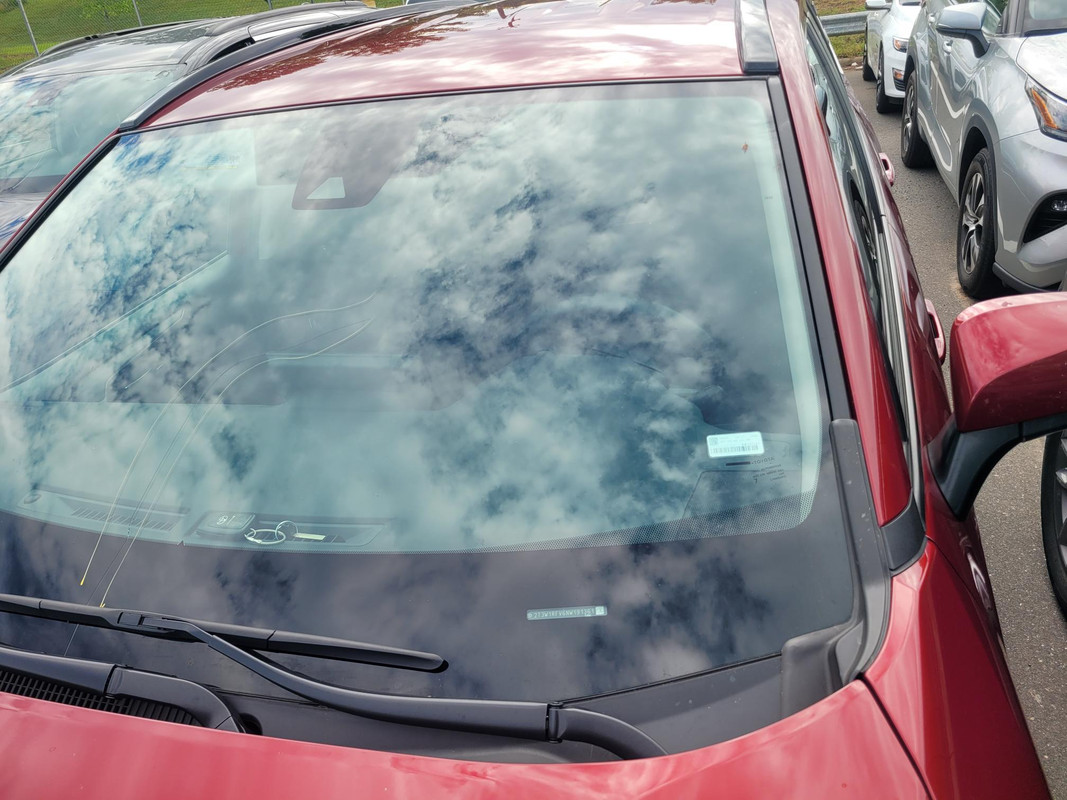
Mobile windshield replacement can also be the right move if your vehicle’s camera calibration supports dynamic procedures and the day’s forecast is friendly. You can finish the install at home, then ride along with the tech for the calibration loop. The advantage is obvious: no need to arrange a ride, no time in a waiting room, and you see the calibration complete.
If you drive something that demands static calibration - certain Toyota, VW, Mercedes, or Subaru models, among others - or if your vehicle uses both a camera and radar unit that need target alignment, plan for an in‑shop appointment. You will likely save time, since a controlled environment lets the tech complete the job in one stretch rather than fighting variables.
Weather and temperature strategy for glass longevity
High Point’s weather swings hard. Sun bakes parked cars well past 120 degrees inside. Sudden storms cool the outer glass while the defroster warms the inner layer. That differential stresses the laminate. You cannot control the sky, but you can moderate the stress you place on the glass.
Avoid blasting full hot defrost on a cold morning if the windshield carries a chip. Start with medium heat and fan to let the whole pane come up more evenly. In summer, crack a window when you park to reduce pressure and temperature spikes. If you head west into elevation, resist icing down a hot windshield at a gas station. Cold water on a hot outer layer creates a sharp gradient. Wipe bugs with a damp, soft cloth and a proper bug remover rather than a dry paper towel that can scratch the hydrophobic coating.
Wiper blades are consumables, not lifetime purchases. I replace them every 6 to 12 months in our climate, sooner if the vehicle lives outside. The price of new blades is trivial compared to the smear they can leave at night when a thunderstorm hits somewhere past Asheville.
Insurance, out‑of‑pocket costs, and what to expect
For many North Carolina policies, glass has a lower deductible or a separate coverage option. Chip repairs are often covered at no cost if you act quickly. A full windshield replacement High Point quote will range widely based on features. A basic sedan without sensors might sit between $250 and $450. Add a forward camera, acoustic glass, a heated wiper park, or a heads‑up display, and the number can jump into the $700 to $1,400 range. Luxury vehicles and trucks with large windscreens can exceed that.
Calibration is a separate line item. Static and dynamic procedures run from $125 to $350 in our area per axis or system. Some shops bundle calibration with the glass. Others bill it as a distinct service. Ask for clarity in advance. If your insurer pays the claim, make sure the shop is in network and that calibration is included, not deferred to a dealer after the fact. The last thing you want is to discover the system is uncalibrated when you cross county lines.
How to vet a shop without turning it into a project
You can tell a lot in a five‑minute call and a quick visit. Ask whether they perform ADAS calibration in house, which systems, and for which makes. Listen for confident, specific answers rather than generalities. Ask what adhesive they use and the safe drive‑away time for the day’s weather. Confirm whether they source OEM or OEM‑equivalent glass for vehicles with camera brackets. Walk the waiting area and peek at the bays. Clean floors, organized tools, and protected vehicles are green flags. Broken cowl clips swept in a corner and open urethane tubes crusted over are not.
A capable High Point auto glass repair shop will welcome questions and explain tradeoffs plainly. If they recommend aftermarket glass, they will tell you why for your model, not in broad terms. If they recommend OEM, they will tie it to a specific feature like heads‑up display clarity or a camera bracket with tighter tolerances. The best outfits document their work, from primer used to calibration screenshots.
What changes when you tow, haul, or mount accessories
Roof racks, light bars, and dash cams interact with glass more than people expect. A suction‑cup dash cam can leave a ring on the glass that a rain sensor interprets as water if it overlaps the sensor field. A roof box changes airflow and can whistle over imperfect seals. A bike rack on the hatch can stress the rear glass if the feet sit on the window instead of the metal frame.
Before a road trip, dry fit your accessories after any glass work. Check for contact points, wire routing, and field of view for the camera. If you have an aftermarket tint, confirm that defroster lines on the rear glass are intact and that the tint film does not interfere with antenna elements. Small pretrip adjustments are cheaper than fighting a resonance hum for four hours.
Timing your repair before a departure
If the calendar allows, schedule glass work ten to fourteen days before you leave. That window gives you room for parts ordering, work, calibration, and a few days of local driving to flush out small issues like a cowl clip rattle or a misbehaving rain sensor. It also lets adhesive cure fully in a variety of temperatures. If you are inside a week, prioritize the most safety critical items: windshield damage in the driver’s view, cracks reaching the perimeter, and any sensor misalignment warnings.
For same‑week departures, communicate your schedule clearly when you book. A good shop can plan adhesives with faster safe drive‑away times and set aside a calibration bay. If weather threatens a mobile appointment, be ready to pivot to in‑shop to protect the bond and keep your schedule.
When repair is better than replacement
Repair is not just cheaper, it preserves the factory seal and avoids the tiny risks that come with any glass removal. I favor repair when the chip is small, round, and far from the edges or sensor window. The best‑case outcome is nearly invisible. Even when the scar remains faintly visible, the repair stops the crack from propagating. If you are headed on a trip in summer, a repaired chip in the upper passenger corner likely disappears from thought. If the chip sits in the driver’s primary view and would leave distortion after repair, replacement is the safer, more comfortable choice.
There is an art to knowing when to say no to repair. Some star breaks with long legs will trick you by holding for a few days, then running. If the break crosses the black frit band at the edge, replacement is the right call.
Road trip morning checks you can do in five minutes
- Glance at the windshield under side light for new flaws, check wiper action, and run washer fluid long enough to verify spray pattern and clearing. Verify no ADAS lights or messages at startup, then confirm lane keep and cruise behave normally on your first few miles.
Those few moments set the tone. If anything feels off, you have time to loop back to a shop in High Point rather than limping into an unfamiliar town with the sun setting.
How High Point roads shape your repair choices
Our mix of urban arterials, highway connectors, and rural stretches means your vehicle sees more debris than a purely urban car. Quarry trucks near North Main and highway paving projects throw fine aggregate. Seasonal pollen bakes into a film on the glass. Winter brine sits at the lower edge. That local context argues for proactive glass care. It also elevates the value of a shop that knows our roads and what a dynamic calibration drive really looks like at 10 a.m. on a Tuesday versus 5 p.m. on a Friday.
I have had dynamic calibrations fail in heavy glare southbound on I‑74 and succeed on the same stretch two hours later after the sun angle changed. Experience in the area shortens the process and reduces rework.
Final thoughts before you put miles behind you
A road trip asks the simple things to work perfectly for hours at a time. Clear sightlines, no surprise noises, technology that helps rather than hinders. High Point drivers can get there with straightforward steps: fix small chips early, choose careful workmanship for any windshield replacement High Point requires, respect cure times, and insist on proper ADAS calibration High Point technicians can document. If side glass shows wear or the rear defroster misbehaves, address it before the duffel bags and cooler go in.
A good auto glass shop is not just a vendor, it is a travel partner for a day. Tell them where you are headed and when. The best teams will match the plan to your route, your vehicle, and the weather we are likely to see. Then you can watch the road roll by with the quiet confidence that comes from a clear, strong view forward.